
Introduction
Are you curious about how the world of trading is evolving? Enter algo trading—where technology meets finance. Over the years, algorithmic trading has gained traction as a game-changer in the financial markets. Let’s dive in to explore what it is and why it’s becoming so popular.
- What Is Algo Trading?
Algorithmic trading, often called algo trading, refers to the use of computer programs to execute trades automatically. These programs follow a set of predefined rules, such as timing, price, and volume, to make buying and selling decisions in the market.
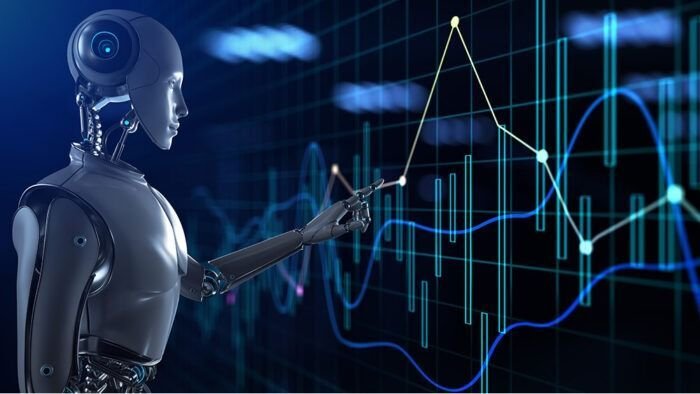
Think of it as having a tireless robot that works round the clock to trade for you, without the emotional swings or fatigue that humans face.
- The History of Algo Trading
Algo trading began in the 1970s with the introduction of computerized systems for stock exchanges. Over the decades, advancements in technology and access to high-speed internet have transformed it into a sophisticated tool used by both institutional investors and retail traders.
- Benefits of Algo Trading
- Speed and Efficiency
Algorithms execute trades within milliseconds—faster than any human can. This speed allows traders to capitalize on fleeting opportunities in volatile markets.
- Reduced Emotional Bias
Ever made a bad trade because of fear or greed? Algo trading removes this issue by strictly adhering to logical rules, ensuring decisions are based on data, not emotions.
- Backtesting Capabilities
One of the coolest features of algo trading is the ability to test strategies on historical data. This helps traders refine their methods before risking real money.
- Consistency and Accuracy
Unlike humans, algorithms don’t get tired or distracted. They execute trades consistently, without deviations from the strategy.
- Market Monitoring
An algo can monitor multiple markets and instruments simultaneously, something a human trader could never do effectively.
- Applications of Algo Trading
- High-Frequency Trading (HFT)
This involves executing a large number of trades in microseconds to profit from minor price differences.
- Arbitrage Opportunities
Algorithms can quickly identify and exploit price discrepancies across different markets or instruments.
- Portfolio Management
Automated systems can rebalance portfolios, ensuring diversification and alignment with investment goals.
- Hedging
Algo trading is widely used for risk management, protecting portfolios against adverse price movements.
- Getting Started with Algo Trading
- Skills You Need
A blend of programming knowledge and an understanding of financial markets is essential. Python, for instance, is a popular language for writing trading algorithms.
- Tools and Platforms
Platforms like Quantman, Tradetron, AlgoTrader, Zerodha Streak and Interactive Brokers provide the infrastructure needed to start algo trading.
Conclusion
Algo trading is revolutionizing the financial markets, offering speed, precision, and efficiency that manual trading can’t match. While it comes with challenges, the benefits far outweigh the risks for those willing to invest the time and resources to learn. Why not give it a shot and see how it transforms your trading journey?
FAQs
What is the difference between algo trading and manual trading?
Algo trading uses automated programs, while manual trading relies on human decision-making.How much capital do I need to start algo trading?
It varies, but you can start with as little as ₹20,000 to ₹1,00,000 on retail platforms.Are there any risks involved in algo trading?
Yes, risks include technical failures, market volatility, and algorithm errors.Do I need programming skills for algo trading?
While not mandatory, programming skills like Python can give you a significant edge.Can algo trading be profitable for beginners?
With the right strategy and education, beginners can succeed, but it requires time and effort.